Day: March 23, 2023

  • Multi-Family Roofing Systems

    Multi-Family Roofing Systems

    Roof Types of multi-family buildings

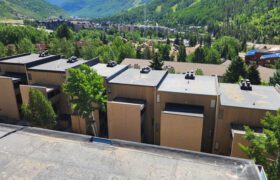
    The photo above was recently taken by one of our roofing inspectors during an HOA-managed community’s roof inspection. Do you notice anything unusual about it besides the stunning beauty of our Colorado mountains? In addition to being nestled in one of the most beautiful areas in the state, this complex also boasts a modern design with a flat roof. While most people associate flat roofing with a commercial building, they are often found on single-family and multi-family properties. 

    With our area’s rising costs, multi-family properties are becoming increasingly prominent. So, if you live in a managed community, learning about the common systems used on the exterior of your home can come in handy. This knowledge can help you make informed decisions when your multi-family roof replacement comes around. 

    Your roof is an intricate system that protects your property from everything the Colorado weather throws at it. Let’s look at some of the systems that can be used to protect your community. 

    Key Considerations When Replacing a Multi-Family Roof

    Replacing the roof on a multi-family property can be an involved and complex process. Many factors differentiate a roofing project on a single-family home from one on an HOA-managed community for the roofing contractor and the residents.  Several factors need to be considered when planning roofing for a multi-family property. We think the most important are: 

    Durability:

    Durability is important because multi-family buildings experience higher wear due to the larger surface area of the roof. Additionally, the design of multi-family homeowners insurance coverage often means multi-family roof replacements will require significant financial investment from the community. This makes choosing a durable and long-lasting roof all the more important. The roof must be strong enough to handle weather conditions like heavy rain, snow, and strong winds without deteriorating quickly. While we all know there is no such thing as a hail-proof shingle, investing in a shingle that is impact-resistant may be a wise investment in the long run, preventing premature roof replacements. 

    Energy Efficiency:

    Energy efficiency is another significant consideration. A well-chosen roof can help regulate indoor temperatures, lowering energy bills for property owners and tenants. Selecting materials that reflect sunlight or provide good insulation can make a noticeable difference in energy consumption, which is why we often see managed communities invest in metal roof replacements despite the increase in cost. A metal roof can be underlaid with additional insulation, significantly increasing energy efficiency. It’s reflective surface also helps reflect sunlight rather than absorbing it, particularly in lighter shades. 

    Maintenance Needs:

    The community should also consider maintenance needs before replacing their roofs. Different roofing types require different levels of care, so it’s important to understand how often maintenance is needed and what it involves. For example, some roofs may need regular maintenance to prevent roof leaks, while others require less frequent attention.

    Curb Appeal:

    Lastly, the roof’s appearance affects the overall look of the property. While functionality is important, the roof should also complement the building’s design, as this can impact the property’s value and appeal to potential tenants. Balancing these factors ensures that the roof not only performs well but also contributes positively to the building as a whole. Choosing your roof’s color, material, and style will impact the appearance of your home. 

    Common Types of Roofing for multi-family buildings

    There are several common roofing options for multi-family buildings, each offering unique benefits. Understanding these choices helps property owners make informed decisions that best suit their needs. Let’s explore the roofing systems we see frequently on multi-family buildings.

    Asphalt Shingles:

    Infographic created by Custom Exteriors about the pros and cons of asphalt shingles for a multi-family roof replacement

    Asphalt Shingle roof systems are a popular choice for multi-family properties, especially for buildings with pitched roofs. They are known for their affordability and availability in various colors and styles. Asphalt shingles are relatively easy to install and provide solid protection against the elements. However, they may require regular maintenance to prevent issues like curling or cracking, especially in extreme weather conditions. Additionally, while Class 4 asphalt shingles are available, they are still more susceptible to damage than other roofing systems. 

    Unfortunately, they have a relatively short lifespan of 15-40 years. In Colorado, it is imperative to consider their durability against hail or wind storms. Asphalt shingles do not perform as well as some other systems in the long term. Because the property’s exterior is typically the association’s responsibility, longevity should be a consideration when choosing roofing materials. 

    Flat Roofs:

    Flat Roofs, commonly found on multi-family buildings, are a cost-effective choice, providing space for equipment like HVAC units or solar panels. They are often used in buildings with modern or minimalistic architecture. These roofs are typically made of materials that resist leaks and UV rays. However, it’s important to remember that they require consistent maintenance to ensure proper drainage and prevent water pooling, which can lead to leaks over time. By staying on top of maintenance, you can proactively protect your investment.

    There are many types of flat roofs for multi-family roof replacement. The most common include Built-Up Roofing, Modified Bitumen roofing (ModBit), EPDM Roofing, PVC Roofing, and TPO Roofing. Each has its advantages and disadvantages. Roof coatings can be added to aging flat roofs, extending their lifespan up to 15 additional years. This option alone helps make this a great choice for a multi-family roofing system. 

    Partnering with a qualified, local commercial roofer is essential when replacing a multi-family flat roof. They will assist you in choosing your replacement roof based on factors such as durability, cost, energy efficiency, and the climate and weather conditions in your area.  

    flat roof replacement

    Metal Roofs:

    Metal Roofs are another option, valued for their durability and long lifespan. Metal roofing is highly resistant to fire, strong winds, and other weather-related issues, making it a reliable choice for multi-family buildings in harsh climates. Metal roofs are also energy-efficient, reflecting sunlight and reducing cooling costs. While they may have a higher initial cost, their durability can result in lower long-term maintenance expenses.

    Metal roofs are not just durable; they can also be quite beautiful. With an average lifespan of 50-70 years, they are a long-lasting and attractive choice for multi-family roof replacements. Available in various materials and colors, including aluminum, steel, copper, and zinc, they offer a high level of customization, enhancing the curb appeal of your property.

    Metal roofs are often more expensive than other options, but they have a long lifespan, surpassing 70 years with proper care. Another factor to consider is your location’s probability of severe weather. Metal roofs offer excellent protection against the elements. Because of this, a metal roof can be a good choice in Colorado! 

    #image_title

    Synthetic Roofing:

    Synthetic Roofing materials are gaining popularity due to their versatility and lightweight nature. These materials mimic the appearance of more expensive roofing types like slate or wood but at a lower cost and with less maintenance. Synthetic roofing is durable and resistant to common issues like mold, algae, and impact damage. This type of roofing is an excellent choice for property owners looking for an attractive and practical roofing solution.

    Synthetic roofing is often less expensive and more fire-resistant than its natural counterparts. It also offers improved durability and performance in severe weather. However, some homeowners may prefer the look of raw materials. Some historical multi-family properties may have architectural guidelines that do not allow synthetic roofing. 

    Choosing the right roof for your multi-family property

    So, how do you choose a roof that is beautiful, functional, and a durable addition to your property? Let’s look at a few things that could impact your selection.

    Roofing choice variables infographic created by Custom Exteriors explaining things that could impact roof replacements.

    First, the local climate plays a significant role in determining which roofing material will perform best. For example, areas with heavy snowfall may benefit from pitched roofs with asphalt shingles or metal that can handle the weight and encourage snow to slide off. In contrast, regions with mild weather may find flat or low-slope roofs more suitable. Many areas in Northern Colorado are prone to damaging hail, which makes a Class 4 shingle a wise choice. 

    Budget is another important factor. While some roofing materials may have a higher upfront cost, they could offer lower maintenance needs or a longer lifespan, ultimately saving money over time. It’s important to balance the initial investment with the long-term benefits to find the most cost-effective solution for your property.

    Different areas have specific requirements for roofing materials, especially fire resistance, wind resistance, and load-bearing capabilities. In the last few years, the City of Fort Collins began requiring Class 4 shingles for every roof replacement due to the frequency of damaging storms. Ensuring that the chosen roofing system complies with local regulations is essential to avoid potential legal issues and ensure the safety of the building’s occupants.

    Lastly, sustainability is becoming increasingly important for property owners. Eco-friendly roofing options, such as cool roofs or synthetic materials made from recycled products, can reduce environmental impact while providing long-term energy savings. Choosing a roofing system that meets both practical needs and sustainability goals can enhance the property’s value and appeal to environmentally-conscious tenants.

    Making Informed Roofing Choices for Your Multi-family property

    Selecting the right roofing system for a multi-family building is a significant decision that impacts the property’s durability, energy efficiency, maintenance needs, and overall value. By understanding the key considerations—such as the durability required, the importance of energy efficiency, and the varying maintenance needs of different roofing types—property managers and owners can make informed choices that meet both practical and financial goals.

    Ultimately, the goal is to choose a roofing solution that not only protects the building but also enhances its value, satisfies tenants, and aligns with long-term objectives. Whether it’s ensuring compliance with local regulations or considering sustainability for future benefits, every element plays a role in making the right decision. Consulting with a professional roofing contractor can provide the expertise needed to navigate these choices and ensure that the roofing system selected is the best fit for the property.

    By carefully considering these aspects, you can secure a roofing system that meets the demands of your multi-family property, offering reliability, cost-effectiveness, and peace of mind for years to come.

  • Exterior Maintenance Multi-Family

    Exterior Maintenance Multi-Family

    Exterior services including roof replacement and siding replacement on a multi-family complex by Custom Exteriors

    Exterior maintenance for Multi-family properties

    At Custom Exteriors, we understand the importance of maintaining the exterior of multifamily buildings from both a professional and personal perspective. As specialists in exterior maintenance and replacements, we have seen firsthand how consistent care can protect and even improve a property. On a personal level, as owners of a multifamily rental property, we face the same challenges that other landlords experience when trying to keep their properties in good condition while balancing the inconvenience to tenants. 

    One instance truly drove home just how challenging it can be to juggle exterior maintenance and tenant relations. We were replacing the roof on a multi-family property, and the job required redirecting traffic in and out of the parking lot. One tenant became so upset about the inconvenience that she actually tried to hit one of our workers with her car. Thankfully, no one was hurt, but it was a stark reminder of how easily tensions can rise during home improvement projects in a multi-family setting.

    Situations like this make it clear that balancing necessary repairs with tenant satisfaction isn’t just difficult—it’s critical. These disruptions are unavoidable during large exterior projects and maintenance, but managing communication, expectations, and the overall impact is crucial to maintaining a positive environment for everyone involved. This is exactly why understanding the ins and outs of exterior maintenance is so important for property and facility managers or anyone responsible for multi-family properties. It’s not just about the building—it’s about the people living there.

    Maintaining a property’s exterior is demanding for community managers, facility managers, and multi-family building owners alike. However, for the safety of your tenants, it’s a must. Additionally, regular exterior maintenance keeps your investment property looking good and stops minor issues from becoming major, costly repairs. We have seen firsthand how these repairs can quickly escalate into thousands of dollars, directly impacting your return on investment.  We firmly believe that proactively protecting your property from expensive damage with regular maintenance can avoid a forced vacancy while repairs are being made. With that in mind, let’s explore ways to increase cash flow and decrease service calls from tenants.

    Key areas of Exterior maintenance

    When managing a multi-family property, understanding the key areas of exterior maintenance is essential to keeping the property in good shape and avoiding costly repairs down the line. Whether it’s the roof, siding, windows, or landscaping, each part of the exterior plays a critical role in protecting the building and providing a safe, comfortable environment for tenants. In this section, we’ll cover the most important areas that require regular attention, how to address common issues, and what property managers or owners should prioritize to maintain a well-functioning and visually appealing property.

    Mold found during a siding installation by Custom Exteriors due to lack of gutter maintenance

    Roof Maintenance

    We recently had a customer contact our team to replace the vinyl siding on their home. When removing the existing siding, it became apparent that roof and gutter maintenance had been neglected, and these systems’ water-shedding abilities had been compromised. The entire wall was covered in black mold. The picture above is what we saw when we removed the siding. This picture highlights the importance of roof and gutter maintenance. What would have been a routine siding replacement turned into a much more expensive restoration project.  

    Your roof and gutters are the primary defense against the elements, especially in Colorado, where homes are susceptible to hail or wind damage. Regular roof inspections are important to identify early signs of wear, such as missing or damaged shingles, cracked caulking, or areas prone to water pooling. Addressing these issues early can prevent major repairs and the associated high costs. 

    With successful multi-family roof replacements, siding and window replacements, and paint jobs across the state, we know that regular roof maintenance is one of the most important aspects of exterior maintenance. You avoid significant repair costs by identifying and addressing minor issues early, such as leaks or damage. Other benefits of a well-maintained roof include: 

    Three of the most common multi-family roofing systems are asphalt shingles, flat roofing, and metal roofing. Each has specific maintenance needs that, when addressed regularly, can prevent costly repairs, extend the life of your roof, and ensure the safety and comfort of your tenants. Here are the basics of each type of roofing system’s maintenance needs.

    1. Asphalt Shingles

    Asphalt shingles are among the most common multi-family roof replacement materials. Many apartment and condo complexes depend on them for protection. Beyond basic roof inspections, it’s important to seal any areas that may be vulnerable to water intrusion. Inspect for missing, cracked, or curling shingles. Check the seal around vents, chimneys, and pipe flashings to make sure they have a water-tight seal.

    While some property owners are capable of a multi-family roof inspection, it’s important to be cognizant of your physical limitations and prioritize your safety over all else. In order to inspect your roof safely, you may need to be able to climb a large ladder safely and be comfortable at heights. Many local roofing companies will provide no-cost annual inspections that will give a clear picture of your roof’s condition. 

    2. Flat Roofing Systems

    Flat roofs are often found on commercial and multi-family buildings. They are likely made of a rubber membrane designed to effectively drain water from an area with little to no slope. When conducting maintenance on a flat roof, begin by clearing debris and checking for standing water. Inspect for cracks or blisters in the membrane and check the drainage system to ensure there is no pooling water. 

    For flat roofing, maintenance involves both cleaning and checking for punctures or wear in the roofing membrane. It’s important to repair any identified damage immediately to maintain the integrity of the waterproof barrier. Insulating layers should be checked to ensure they remain effective. Fortunately, as flat roofs approach the end of their lifespan, they offer a unique maintenance option of a roof coating. This unique option can add decades to the life of your existing roof. 

    3. Metal Panels

    While cost can sometimes prohibit a full metal roof replacement, metal roofing panels are often used as an accent on a roof. They can also be used as a full replacement for customers who are prioritizing lifespan and durability over replacement cost. A metal roof inspection should look for signs of rust, sealant failures, and loose screws or panels. 

    Pay special attention to the areas around seams and junctions, where leaks are most likely to develop. Also, ensure that the roof is clean of debris to avoid corrosion and check for uneven wear patterns. 

    Our Tips for Easy roof and gutter maintenance:

    1. Schedule Regular Inspections

    1. Frequency Matters: Schedule roof and gutter inspections at least twice a year, ideally in spring and fall. In our area, fall can fill your gutters with leaves and debris, particularly if mature trees surround your home. By inspecting and cleaning your roof and gutters during the shoulder seasons (spring and fall) of our severe weather seasons (summer and winter), you can prevent issues like ice dams, roof leaks, and even mold, as discussed earlier.  Regular inspections help catch minor issues before they become significant problems.
    2. Hire a Professional: With nearly 60 years of experience in the construction industry between us, my husband and I are guilty of being the ultimate DIYers. We confidently dive into most home improvement projects without a second thought. However, if you are a less experienced homeowner, consider using a licensed roofing contractor for inspections. Professionals can spot potential issues that an untrained eye may miss.

    2. Plan Maintenance During Off-Peak Times

    1. Minimize Disruption: Schedule maintenance or replacement work during times when tenants are less likely to be home, such as weekdays or vacation periods. This reduces inconvenience for residents and makes the work easier to complete. Many units are short-term rentals, particularly in our mountain towns or metro areas. You can maximize your investment by completing repairs when your property is less busy. Roof and gutter maintenance can be messy; however, because it can be done in a matter of hours, it could be thoroughly cleaned up before anyone gets home if planned properly. 
    2. Communicate Early: As soon as we decide to renovate or schedule any routine maintenance, we let our tenants know, even if it is months away. It has been our experience that clear communication helps manage expectations and reduces complaints. On a professional level, find a contractor with experience working on multi-family units. They typically have processes for effective communication throughout the community. 

    3. Talk to Your Insurance Agent

    1. Coverage Check: We recently replaced a roof for a lifelong friend in Windsor whose home had sustained hail damage. They filed an insurance claim for replacement, just like many of us, only to discover they had an ACV policy and that they would not be compensated for a full roof replacement. Review and understand your homeowner’s insurance policy. Verify the coverage of your roof and gutters, especially if you live in an area prone to hail. A code coverage clause will help with costs if you run into a required code upgrade, such as correcting spaced decking or adding drip edge. 
    2. Claim Assistance: If damage occurs, a good relationship with your insurance provider and local roofer can make the claims process smoother and faster.

    4. Break up scheduling and communicate it clearly

    1. Work in Phases: If possible, break the work into sections to reduce the overall impact on tenants. This allows you to complete the project without overwhelming the property with noise and disruptions all at once.
    2. Communicate Clearly: Inform tenants well ahead of any roof work. Let them know what to expect in terms of noise, potential parking changes, and the estimated timeline. Clear communication can help reduce frustration.

    Landscaping and Outdoor Spaces

    Exterior landscape maintenance

    Landscaping is more than curb appeal; it also works with your home’s water-shedding system and plays a key role in proper drainage around the building. Overgrown trees and bushes can cause damage to the siding, roof, and foundation, so regular trimming is necessary. Additionally, the grading of the land should direct water away from the foundation to prevent flooding and water damage. 

    For buildings that include shared outdoor spaces, parking lots, or pathways, these areas require regular upkeep to remain safe and attractive. Pathways should be checked for cracks or uneven surfaces that could pose tripping hazards, and any damaged pavement should be repaired. Lighting fixtures should be inspected to ensure they are functioning correctly, providing adequate illumination for safety. Regular cleaning and maintenance of these areas contribute to a well-kept property that residents can take pride in. This includes outdoor landscape maintenance. Remember, this is the community’s first impression of the community, so it is crucial to keep it well-maintained. Some areas to prioritize maintenance include: 

    1. Lawn Care: Regular mowing, fertilization, and aeration promote healthy and beautiful lawns. Regular lawn care is essential for maintaining the property’s visual appeal and overall health, creating a welcoming appearance. A well-kept lawn also helps prevent soil erosion and provides a clean, usable outdoor space.

    2. Pruning: Trimming trees and shrubs maintains their shape, encourages growth, and ensures our safety. Pruning promotes healthy growth by removing dead or overgrown branches that could damage structures or pose safety risks. In the past decade in roofing and exteriors, most significant storms result in at least one local home being damaged by falling trees or branches. Outside of the safety benefits, well-kept trees and shrubs contribute to the property’s overall look. 

    3. Weeding & Mulching: Weeding prevents invasive plants from overtaking landscaping, preserving the health and beauty of garden beds. Mulching retains soil moisture and regulates temperature, reducing the need for frequent watering and suppressing weed growth.

    4. Seasonal Clean-Up: In Colorado and many surrounding states, fall means an abundance of leaves shed from trees everywhere. At the end of fall, it’s important to remove leaves and debris from the roof and gutters to prevent possible implications of improper drainage. 

    Maintaining your property’s landscaping and outdoor spaces is just as important as maintaining the building itself. Well-kept grounds improve curb appeal, making your property more inviting. In addition to regular yard work tasks, inspections should be completed to ensure walkways and patios are clear and in good shape. While time-consuming, these efforts not only make the property appealing but can also increase its value and attract more tenants. 

    Siding and exterior walls

    The siding and exterior paint on your building play a huge role in your property’s curb appeal. So, if you have invested in a high-quality siding replacement, you should protect it to maximize your investment. 

    Spring is a great time to schedule an annual inspection of your community’s exterior walls and siding. Power washing can help create a clean, crisp impression for community visitors. Furthermore, a thorough inspection of the siding, window trim, fascia, and soffits should be completed for any signs of damage or wear. These signs include cracks, peeling paint, or rotted caulking. If any of these items are found during these regularly scheduled inspections, they should be repaired immediately to prevent additional damage. In the end, a small amount of preventative maintenance could save much more by preventing extensive and expensive repairs in the long run, such as water damage and rot. When repainting or replacing siding, consider meeting with a professional siding company to find out what the local siding trends are in your area. Exterior renovation is a long-term investment, and making informed decisions is much more important. 

    Over time, weather conditions can wear down siding, causing it to fade or become damaged. This is especially true in our area, which tends towards severe weather and has many days of intense sunshine. Inspections should focus on identifying cracks, gaps, or any areas where moisture could penetrate. If damage is found, repairs or replacements should be made quickly. Repainting may also be necessary to keep the exterior looking clean and well-maintained.

    Parking areas

    After our harsh Colorado winters, spring is a great time to inspect another portion of the exterior of your property. The parking area. The parking area should be absolutely free of any debris or hazards. It is a great time to identify and correct any newly developed potholes or damage to parking areas. Additionally, parking lot lighting should be checked for functionality and repaired if necessary for the safety of the community. 

    Windows & Doors

    Windows and doors are often overlooked, yet they are one of the primary systems that affect your property’s energy efficiency, security, and weatherproofing. Regular inspection of seals and caulking around windows and doors is important to prevent drafts and water leaks. Broken or damaged windows should be repaired or replaced to ensure they function properly and provide adequate insulation. We find that while sealing and inspecting, we can often wash those windows and take care of all the maintenance in one swoop. 

    Doors, too, should be checked for proper alignment, secure locking mechanisms, and weatherstripping that is free of wear. In addition to the practical benefits of maintaining or replacing an entry door, a well-thought-out choice can also improve the value of your home significantly. 

    Windows and doors serve as intricate parts of the beauty and safety of your community.  Replacing old or damaged windows and doors can substantially increase the energy efficiency of each unit and reduce heating costs for owners. 

    Maintain your Multi-Family Property

    Owning a property in an HOA-managed community can be challenging. We are busy and don’t always have time to prioritize these critical inspections. Luckily, full-service exterior maintenance companies can help schedule and complete these inspections. It is important to ensure licensing and insurance. Additionally, they will have experience dealing with the unique needs associated with multi-family properties. 

    Whether you need an inspection, routine maintenance, a quick repair, or a complete restoration, Custom Exteriors can help. We understand you want to make the most of your time, so we address your exterior needs professionally. Contact us today to schedule a free, no-obligation inspection of your community. 

Custom Exteriors, LLC BBB Business Review